
Wednesday, November 14, 2012
Breaking Dawn.

Tuesday, November 6, 2012
The Classics/
In school, we are forced to read and analyze different works of literature. These works include plays, novels, epics, and short stories. As we read, I realize how the author constructs their works of art is meant to be viewed a specific way by the audience. Plays are meant to be seen, while short stories and novels are meant to be read. But on the other hand, some epics were meant to be told orally. These are key factors that we must pay attention to while reading these works. But the real question is, why we even read them if their purpose was to be heard or seen? The answer is the techniques that different authors used. Shakespeare's poetry and use of other literary devices was unprecedented. The literary culture had never seen works like his before which make them unique and impossible not to study. Oral epics are classic and encompass much of a specific culture. Not only do they serve as a literary device, but also as an historical one. In conclusion, classics are classic for a reason and should be read.
Wednesday, October 31, 2012
The Best Stories Ever Told.

I have to admit, I still am in love with Disney movies (mainly the classics). I faithfully watch at least one a week, as my "relaxation" period of the week. Few people know that many Disney movies are based upon numerous components of classic literature such as Shakespeare (The Lion King), the Brothers Grimm (Snow White), Greek mythology (Hercules) , and Charles Dickens (Oliver Twist). These works provide the pre-cursor to movies we all love and cherish today. My personal favorite is The Lion King. The plot uses elements from Shakespeare's, Hamlet, and takes us on Simba's journey to re-conquering what belonged to him even while he attempted to escape his destiny.
Although, Disney gives little credit to these literary works without them there would be no story. Disney gives us the illusion that these classic stories were created and illustrated by them, but in reality are just "re-makes" of someone else's works. I do have to give credit to the Walt Disney Production company for providing such vivid images in a kid-friendly way, just not for the story line. Classic works of literature are classic for a reason. They not only are notable works of art, but also help spark other ideas that provide the basis for other stories and films.
Wednesday, October 24, 2012
Bye Bye Odyssey !

Tuesday, October 16, 2012
There's No Place Like Home

Numerous times the media introduces us to various movies, TV shows, and movies. Whether we realize it or not most of these sources depict a theme or moral lesson that we subconsciously associate with the medium. A prime example of this would be the story of The Wizard of Oz. The Wizard of Oz is a fantastical story about a small town girl from Kansas who embarks on a mystical journey far from home once taken away by a tornado. Along her journey she encounters several friends, that help her make her journey to find herself and her way home. These friends are known as the tin man, the scarecrow, and the cowardly lion. The story uses personification giving each of these characters human characteristics. Each character has an inner conflict that serves as a setback. The tin-man lacks a heart, the scarecrow lacks a brain, and the lion lacks courage. The four set out on a journey to find, The Wizard, who holds the answer to all their problems only to find out that The Wizard is a fraud and the answer was within them the whole time. The answer lied within them.
As a child, you see the story in "black and white," and for what it appears. I mean come on. We all dressed up as Dorothy or munchkin for Halloween, at least once. It's a fun, colorful, musical with a noteworthy soundtrack and cast. It wasn't until I reached high school till I realized the true meaning of the story. Each character depicted the classic human virtues caring, courage, and intelligence. Ultimately, home is where your heart is and you have the ability to get what you want because the power lies within you. The answers that you are sometimes seeking are right in your backyard. Within this movie, lies a lot of life lessons that are hard to distinguish as a young child. But once you evaluate the movie from an analytically standpoint you are able to see these themes more clearly. In life, you sometimes have to pay less attention to the monochromatic idea and search for the more kaleidoscopic solution.
Tuesday, October 9, 2012
Dreaming
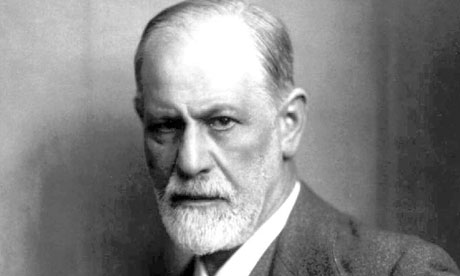
"Dreams are a way of acting out one's secret desired." - Sigmund Freud
Recently, we read Book 19 in the Odyssey. There was a particularly significant passage that we were to re-evaluate and search for the latent meaning.We each developed our own interpretation on what we felt Penelope's dream truly meant. We searched for the meaning behind the dream. Sigmund Freud was the pioneer of psychology. He believed every dream had a surface and a deeper meaning. This makes you question all the dreams of your past. As children we are given that simpler definition of what a dream really is; something that your imagination creates while you're asleep. From the works of Freud, we now evaluate ourselves in relation to our dreams. Our dreams reveal our inner most thoughts in a lively perspective. I'd like to think that they are thoughts that we hate to admit to ourselves. Things we think, but don't want to admit that we want them to happen. They are feelings that we have subconsciously. They also us to imagine, create, and full fill our deepest desires without revealing to the public what we secretly want. Dreams also allow us to differentiate what we want from what we think we want. It's nature's way of weighing the pros and cons.
Wednesday, October 3, 2012
The Beginning.

Subscribe to:
Posts (Atom)